Not Your Average Poppy
Emergency? Call 000.

Protect Your Mates
Here's what you need to know if you ever have to help a friend or relative who's having a bad reaction to any drug they have taken.
Act right away and call 000 for an ambulance.
If you are concerned about the police or do not want to deal with them, still call 000. You do not need to give a name (supply an alias if the operator asks).
You are only required to tell the operator:
Where you are
If the person is conscious or unconsious
If the person is breathing or not
If you cannot connect to the operator with 000 for any reason (including no coverage), try 112. If you dial 112 with a mobile phone anywhere in the world it will connect you to the local emergency operator.
What happens when the ambulance arrives?
You can help by telling the ambulance crew, and later the doctors and nurses, all you know about what drug(s) the person has taken, if they'd been drinking alcohol, and if they have any medical conditions.
If there are still some drugs left, providing them to the medical team can help them quickly identify the proper treatment without delay.
What to look out for
If someone is having a bad time on drugs, they may be:
anxious
tense
panicked
overheated and dehydrated
drowsy or very lethargic
snoring, or having difficulty breathing
What to do first
Stay calm
Be reassuring
Try to find out what they've taken
Call 000
If they are anxious, tense, or panicked
Sit them somewhere quiet
Tell them to take deep, slow breaths
Stay with them until help arrives
If they are really drowsy
Sit them in a quiet place and keep them awake
If they don't respond, or become unconscious, call an ambulance
Don't attempt to scare them, shock them, or shout at them
Don't give them coffee or throw cold water on them
Don't put them in a cold bath or shower to 'wake them up'
If they are unconscious or having difficulty breathing
Immediately phone for an ambulance
Place them into the recovery position
Stay with them until help arrives
Recovery Position
By placing someone in the recovery position, you're making sure they can breathe easily.
The recovery position prevents the tongue flopping to cover the airway, and saliva and vomit from entering the lungs or causing choking.
- Open their airway by tilting the head and lifting their chin. Lie them on their back and straighten their legs.
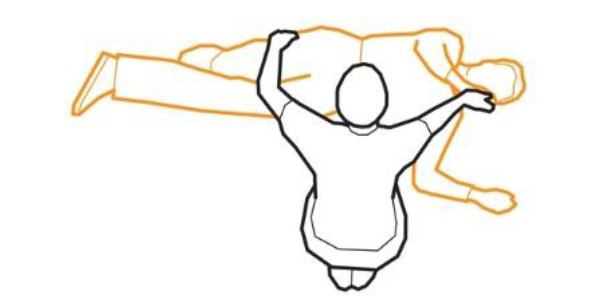
- Place the arm nearest to you at right angles to the body.
- Take the far leg, just above the knee, and pull it upwards, keeping the foot flat on the ground.
- Place their other hand against their cheek.
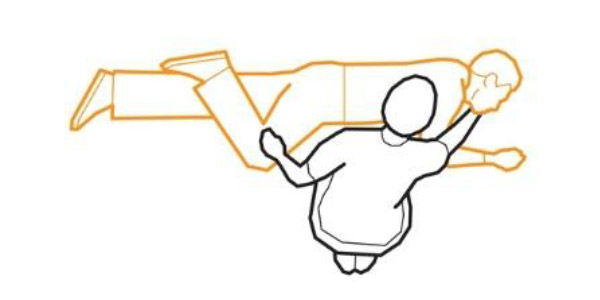
- Keep their hand pressed against their cheek and pull the upper leg towards you to roll them on their side.

- Tilt their head back to protect their breathing.
- Make sure the hip and knee of the upper leg are bent at right angles.